People often wake up in the morning to find a small bump under their facial skin. It has no head and no visible pimple, but it hurts to the touch and grows larger over time. The causes of these bumps under the skin are numerous and varied, and understanding them is the first step toward treating them correctly. These bumps aren't just a passing cosmetic issue—sometimes they can be an indicator of something happening inside the body.
At the First Specialist Medical Clinics Complex, the dermatology clinic deals with a variety of such cases daily, and its doctors understand that each case has its own unique story and cause. Therefore, this article provides a clear and comprehensive overview of this problem, from its origins to its modern treatment methods.
What are subcutaneous pimples?
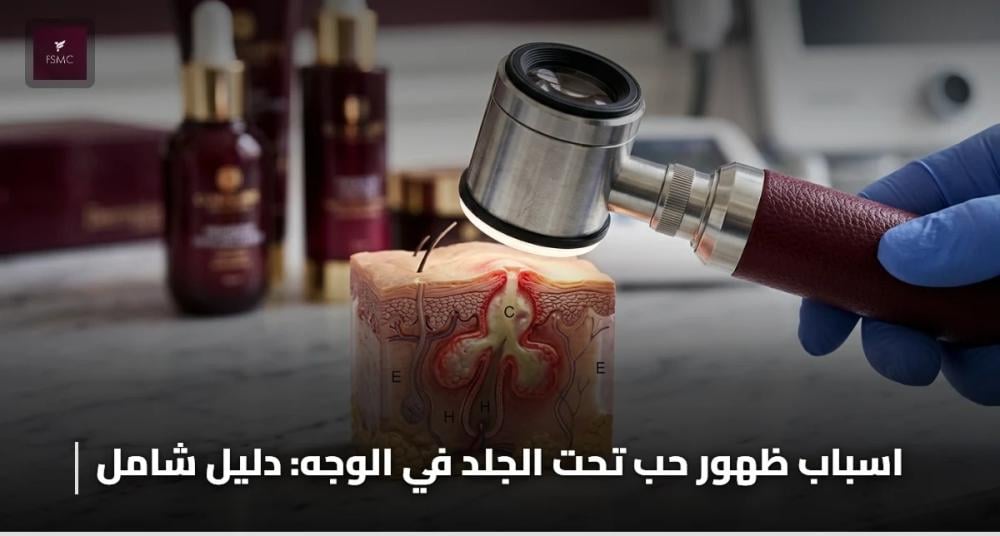
Subcutaneous pimples are hard lumps that form just below the skin's surface, without any visible opening. They often develop when skin pores become clogged with sebum and dead skin cells, trapping the oily contents inside the hair follicles. The result is a small, subcutaneous lump that can sometimes be painful and sometimes completely silent.
What's striking here is that these bumps aren't like ordinary pimples; they lie deeper in the skin layers, which is precisely why squeezing them out manually is wrong and harmful. Squeezing a bump under the skin can worsen the inflammation and turn it into a cyst or a permanent scar. A proper understanding of the nature of these bumps protects the skin from complications that could have been completely avoided.
These bumps appear in different forms; some are white under the skin, some are reddish and prone to inflammation, and some are cystic and contain fluid. Accurate diagnosis of the specific type determines the most appropriate treatment for each case.
Symptoms associated with subcutaneous pimples
Early recognition of the symptoms of these pimples greatly helps in determining the next step. Here are the most prominent things you might notice:
- A hard lump under the skin's surface without a pimple or visible head
- Pain or sensitivity when touching the affected area
- Localized redness around the pimple, especially if inflammation begins.
- The lump gradually enlarged over the days without disappearing on its own.
- A feeling of heat in the affected area when the inflammation intensifies
- The skin over the pimple changed color from pale yellow to dark red.
- In some cases, mild itching in the surrounding area.
These symptoms, whether together or separately, deserve attention, especially if they occur more than once in the same area.
Book a session now to treat acne scars and marks
Causes of pimples appearing under the skin on the face
Understanding the causes of subcutaneous pimples on the face is key to prevention. Have you ever wondered why some people suffer from these pimples constantly while others are almost completely free of them? The answer lies in these reasons:
- Clogged pores with sebum and dead cells: The skin constantly renews itself, and the accumulated dead cells along with the secretions of the sebaceous glands clog the pores from the inside, creating an ideal environment for the growth of pimples.
- Hormonal imbalance: Hormonal fluctuations, whether during puberty, pregnancy, or polycystic ovary syndrome, stimulate the sebaceous glands to produce excessive amounts of sebum.
- Naturally oily skin: People with oily skin are more prone to clogged pores due to the constant overproduction of sebum.
- Using unsuitable cosmetics: Products rich in heavy oils or containing comedogenic substances that narrow pores and accelerate the formation of pimples.
- Chronic psychological stress: Stress raises the level of the hormone cortisol, which in turn stimulates increased sebum secretion and skin irritation.
- Malnutrition and excessive consumption of high-sugar foods: A diet rich in refined sugars and saturated fats is documented to be associated with increased skin inflammation.
- Dehydration and insufficient water intake: Dry skin compensates for a lack of moisture by producing larger amounts of sebum, which increases the likelihood of clogged pores.
- Neglecting to clean the face regularly: The accumulation of dirt and cosmetic residue on the skin slowly closes the pores until pimples form.
- Genetic factors: Genetic predisposition plays a real role — anyone who has had acne in one of their parents is more likely to develop it.
- Some medications: Steroids, some epilepsy medications, and lithium medications may be among the documented side effects of subcutaneous acne on the face.
Book a treatment for active acne
Tips to reduce subcutaneous pimples
Prevention isn't just an empty slogan—it's a disciplined daily routine. These practical tips make a real difference:
- Wash your face twice a day with a cleanser suitable for your skin type, no more and no less.
- Choose cosmetics and moisturizers that carry the description "non-comedogenic" or "non-pore-clogging".
- Avoid touching your face with your hands throughout the day as much as possible.
- Change your bed pillow regularly, no more than once a week.
- Drink enough water daily and reduce refined sugars in food.
- Remove all makeup completely before going to sleep, without exception.
- Manage stress through exercise, meditation, or getting enough sleep.
- Avoid squeezing or tampering with the pimples, as this will worsen the condition and leave scars.
- Use sunscreen daily, even on cloudy days.
Adhering to these habits not only stops breakouts — but also improves the overall texture and radiance of the skin.
How to get rid of pimples under the skin
Getting rid of subcutaneous pimples requires patience and a clear plan. Here's the right path:
- Warm compresses: Placing a warm cloth on the area for ten minutes daily helps to soften the area and accelerate the natural release of the contents.
- Products containing salicylic acid: This acid dissolves inside the pores and cleanses them from the inside out, and it is available in many cleansers and care creams.
- Topical retinoids: Doctor-prescribed retinol or retin-A preparations accelerate skin cell renewal and prevent clogged pores in the first place.
- Benzoyl peroxide: an active ingredient against bacteria that cause inflammation, and helps to reduce redness and swelling.
- A dermatologist's consultation is necessary for accurate treatment: Stubborn or recurring pimples require a specialized medical evaluation — and this is what the dermatologists at the First Specialist Medical Clinics Complex provide with expertise and advanced equipment.
- Chemical peeling or laser: For severe cases, specialized medical interventions are the most effective and safe solution.
- Oral or topical antibiotics: When there is a clear bacterial infection, the doctor prescribes the appropriate antibiotic for a limited period.
Types of facial acne
Not every pimple you see on your face is the same type. In fact, distinguishing between different types of facial pimples is crucial because each type requires a different treatment, and what works for one type may harm another. Dermatologists classify these pimples into three main categories.
Non-inflammatory acne
- Blackheads: Open pores containing oil and dead cells that oxidize with the air, turning black.
- Whiteheads: completely closed pores containing the same contents but not exposed to air, thus remaining white.
- This type is not accompanied by visible inflammation, and it is the easiest type of acne to treat.
inflammatory acne
- Pustules: Small red bumps with a white or yellow top of pus
- Papules: Small, firm, red bumps without a visible top; they are often painful to the touch.
- This type is more sensitive and may leave scars if not treated properly.
cystic acne
- Nodules: hard, deep lumps under the skin that are very painful and take a long time to disappear.
- Cysts: The most severe form, these are masses filled with fluid or pus, prone to rupture and leaving permanent scars.
- This type always requires specialized medical intervention and cannot be treated with ordinary cosmetic products.
The latest medical technologies for treating facial acne on oily skin
Recent years have witnessed a real breakthrough in acne treatment technologies, especially for those with oily skin who suffer from recurring pore blockage. Treatments are no longer limited to creams and oral medications—medical technology has entered the field with precise and effective tools that produce visible results in just a few sessions.
At the First Specialist Medical Clinics Complex, these advanced technologies are available under the supervision of specialized dermatologists who assess each case individually and select the appropriate protocol. What distinguishes the clinic is the integration of these technologies under one roof, along with ongoing medical care.
1. Laser treatment
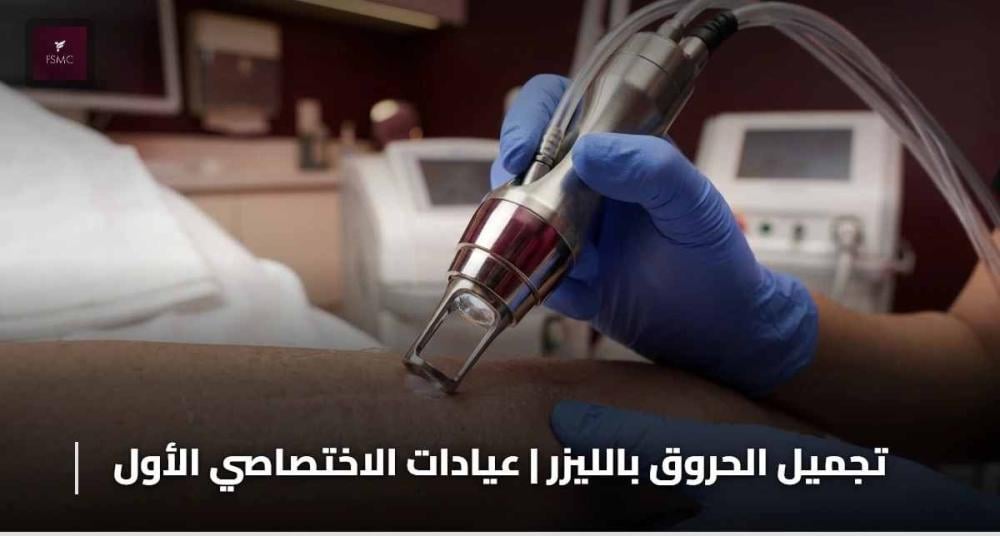
- The laser targets and precisely eliminates the bacteria causing inflammation in the skin.
- It reduces the activity of excessive sebaceous glands and gradually shrinks their size.
- It helps to lighten acne scars and the dark spots resulting from them.
- Short sessions with clear cumulative results after the second or third session
2. Medical chemical peels
- It relies on concentrated medicinal acids that remove the surface layer of the skin and unclog pores.
- It rejuvenates facial skin and improves its texture and consistency.
- It significantly reduces blackheads and whiteheads.
- It is available in different concentrations depending on skin sensitivity and the severity of the condition.
3. Dynamic light therapy
- It combines a light-sensitive substance applied to the skin with exposure to a specific type of light.
- It targets both bacteria and active sebaceous glands simultaneously.
- Its results are tangible in reducing severe inflammatory pimples.
- Suitable for cases that do not respond to traditional treatments
4. Microneedling technology
- Ultra-fine needles stimulate collagen and improve skin structure from within.
- It reduces the appearance of pimples and superficial scars.
- It greatly improves the absorption of topical therapeutic products.
- Safe for oily skin and provides gradual and lasting results
5. Platelet-rich plasma injections
- The patient's own plasma is used after preparation, so there is no risk of rejection or allergic reaction.
- It stimulates skin regeneration and accelerates the healing of inflamed pimples.
- It reduces redness and improves skin elasticity and radiance.
- It is sometimes used in conjunction with other techniques to enhance results.
6. Local injection of cortisone
- It is injected directly into the cystic pill or deep nodule.
- Inflammation is reduced within a few hours and the size shrinks remarkably quickly.
- Suitable for large, painful pimples that require a quick response.
- It should not be used frequently because excessive doses may thin the skin.
7. Cryotherapy
- It relies on low temperatures that target excess fat tissue.
- Reduces swelling and redness in acute inflammatory pimples
- It is sometimes used as a calming session to complement other treatments.
- Comfortable for the patient with a very short recovery time
8. Radio frequencies
- Active sebaceous glands are treated with internal thermal energy without damaging the surface.
- It tightens the skin and reduces enlarged pores simultaneously.
- Very suitable for those with oily skin accompanied by slight sagging
- Its results become more apparent with repeated sessions.
9. HydraFacial Technology
- Deep pore cleansing with simultaneous suction and moisturizing technology
- It removes blackheads and accumulated oil without pain or redness.
- Moisturize the skin immediately after cleansing to prevent dryness that causes increased sebum production.
- One session is enough to feel a noticeable difference in skin texture and appearance.
Frequently asked questions about the causes of subcutaneous pimples on the face
Are subcutaneous pimples dangerous to health?
In most cases, subcutaneous pimples are not dangerous to general health, but they can cause discomfort, pain, and affect appearance. The real danger lies in ignoring them or treating them incorrectly, such as by repeatedly squeezing them, which can lead to deep inflammation or permanent scarring. Cystic pimples, in particular, require a visit to a dermatologist because they can extend into deeper tissues.
What are the causes of subcutaneous pimples on the face in adults?
The causes of subcutaneous acne on the face in adults sometimes differ from those affecting teenagers. During puberty, chronic stress and hormonal changes, such as those associated with polycystic ovary syndrome (PCOS) or the approach of menstruation, play a significant role. Additionally, using the wrong skincare products or over-exfoliating can irritate the skin and promote acne formation. Certain medications and dietary factors may also be directly responsible for this phenomenon.
When should you visit a dermatologist to treat subcutaneous pimples?
Don't wait until your condition becomes critical to see a doctor. If a pimple persists for two weeks or more without improvement, is extremely painful, or appears in recurring clusters, it's time to consult a doctor. The dermatology team at the First Specialist Medical Clinics Complex will carefully assess your condition and choose the most appropriate treatment plan, whether it involves medication or one of the latest technologies.
The causes of subcutaneous pimples on the face are not limited to a single factor, but rather involve an interaction between hormonal, environmental, and daily habits that many people may overlook. Recognizing these causes and understanding the different types of pimples provides you with a valuable tool for managing your skin intelligently, not haphazardly. If you are experiencing this problem and want a thorough evaluation and a comprehensive treatment plan, the First Specialist Medical Clinics Complex and its dermatology clinic have expert doctors and state-of-the-art technologies ready to help you—take the first step and contact the medical team today.